For many people, the thought of visiting the dentist causes stress, fear, or even panic. If you have been postponing appointments because of anxiety, you are not alone. Millions of Americans experience dental fear to some degree. Fortunately, sedation dentistry in Chicago offers a solution that can help patients feel more comfortable and confident during treatment.
Dental anxiety can range from mild nervousness to severe fear that prevents someone from receiving necessary care. Sedation dentistry is designed to create a more relaxed experience, allowing patients to receive the treatment they need without overwhelming stress. Understanding how sedation works and who may benefit from it can help you decide if this approach is right for you.
Understanding How Sedation Dentistry Helps Patients Overcome Fear
What Is Sedation Dentistry?
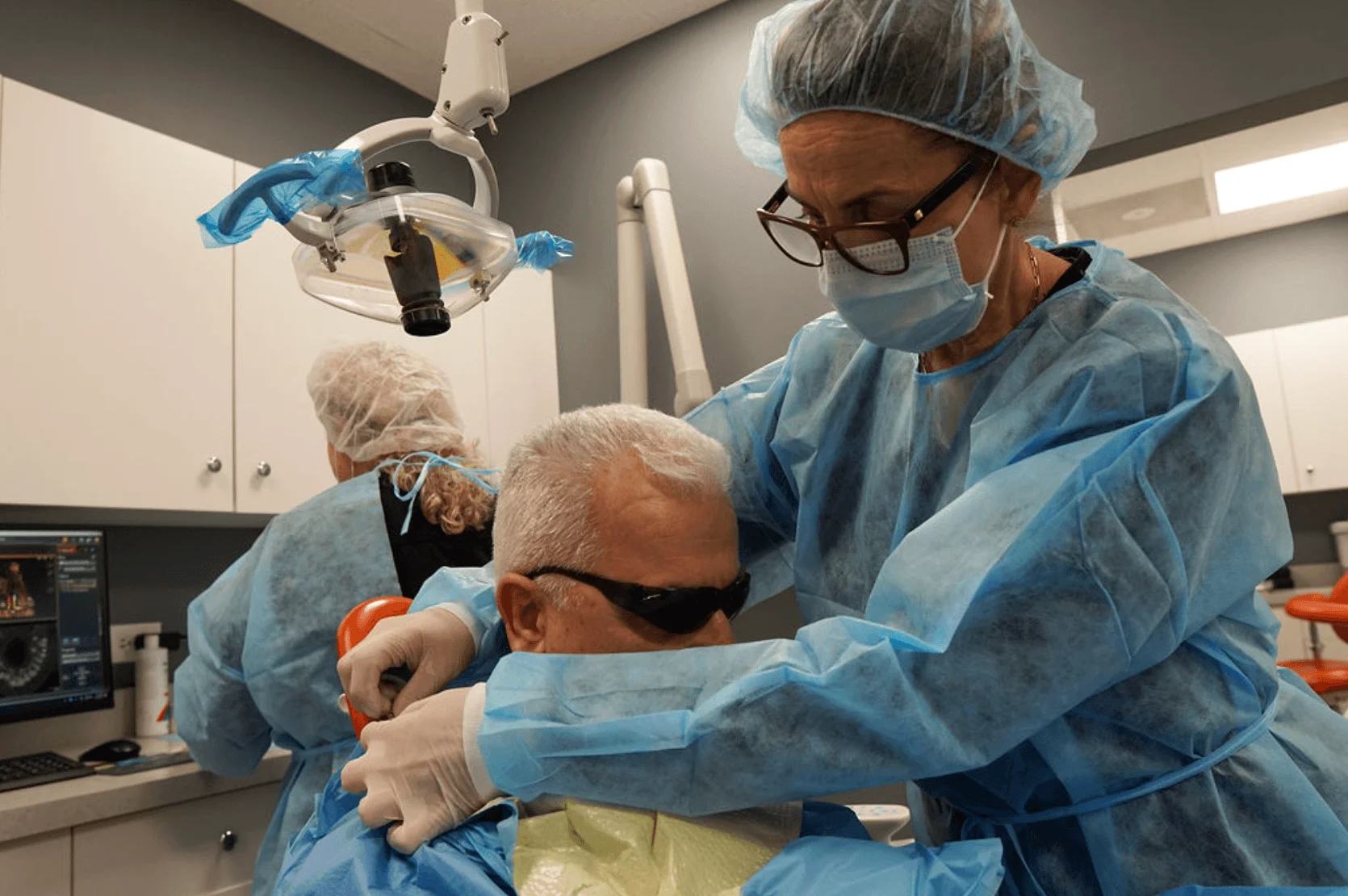
Sedation dentistry uses medication to help patients remain calm and relaxed during dental procedures. Depending on the type of sedation used, patients may feel deeply relaxed while remaining awake, or they may have little memory of the procedure afterward.
Several forms of sedation are commonly used in dentistry, including:
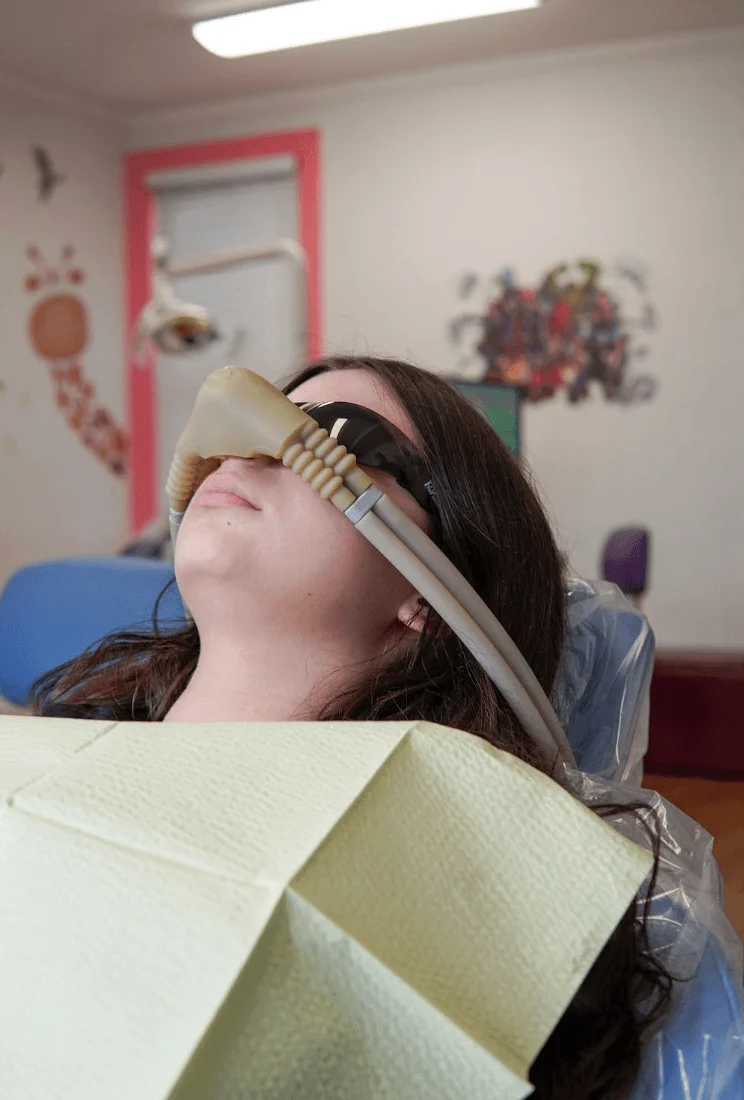
- Nitrous oxide, often called laughing gas
- Oral conscious sedation taken in pill form
- IV sedation administered through a vein
- General anesthesia for more complex cases
Your dentist will recommend the most appropriate option based on your medical history, treatment needs, and comfort level.
Common Signs of Dental Anxiety
Many patients do not realize that their feelings about dentistry qualify as anxiety. Dental fear can appear in different ways.
Signs may include:
- Feeling nervous days or weeks before an appointment
- Trouble sleeping the night before a dental visit
- Increased heart rate when entering the dental office
- Sweating or trembling during treatment
- Avoiding dental appointments altogether
- Feeling embarrassed about the condition of your teeth
- Experiencing a strong gag reflex
Recognizing these symptoms is the first step toward finding a solution.
Who Is a Good Candidate for Sedation Dentistry?
Sedation dentistry can benefit many individuals, not just patients with severe fear.
You may be a good candidate if you:
- Experience moderate to severe dental anxiety
- Need extensive dental treatment
- Have difficulty becoming numb with local anesthesia
- Have sensitive teeth
- Possess a strong gag reflex
- Struggle to sit comfortably for extended periods
- Have special healthcare needs that make treatment challenging
A consultation with your dentist will determine whether sedation is safe and appropriate for your specific situation.
Benefits Beyond Anxiety Relief
While anxiety reduction is one of the biggest advantages, sedation dentistry offers several additional benefits.
Patients often report feeling:
- More comfortable during treatment
- Less aware of sights, sounds, and sensations
- Able to complete multiple procedures in one visit
- More willing to maintain regular dental care
For many people, positive experiences with sedation gradually reduce dental fear over time.
What Happens During a Sedation Appointment?
Understanding the process can help reduce uncertainty and make your experience less stressful.
Before treatment, your dentist will discuss your medical history, review medications, and explain your sedation options. Detailed instructions will be provided, especially if oral or IV sedation is planned.
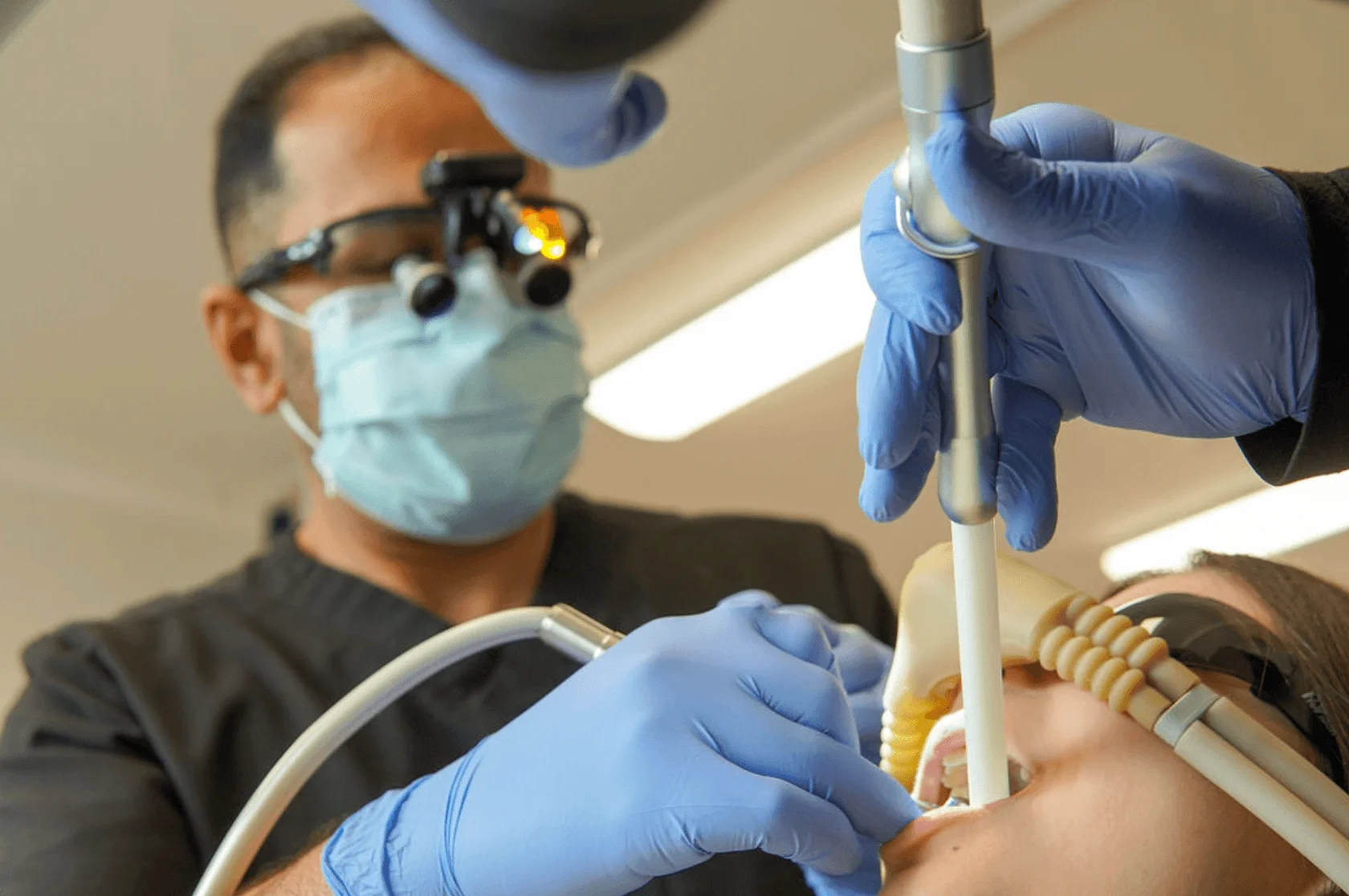
On the day of treatment, the sedation medication will be administered according to the selected method. Throughout the appointment, the dental team carefully monitors vital signs, including blood pressure, heart rate, and oxygen levels.
Most patients remain comfortable and relaxed throughout treatment. Many are surprised by how quickly the appointment seems to pass.
Addressing Concerns About Losing Control
One common concern among anxious patients is the fear of losing control during treatment. Sedation dentistry is designed to help you feel relaxed while maintaining a safe level of awareness.
With conscious sedation, patients can typically respond to questions and communicate with the dental team when necessary. Your comfort and safety remain the highest priorities throughout the procedure.
Open communication with your dentist can help ease these concerns. Discussing your fears before treatment allows your dental team to tailor the experience to your needs.
Why Avoiding Dental Care Can Create Bigger Problems
Dental anxiety often leads people to postpone routine visits. Unfortunately, delaying treatment usually allows minor concerns to become more serious.
Small cavities may develop into larger areas of decay requiring crowns or root canals. Early gum disease can progress and threaten tooth stability. Untreated infections may result in pain, swelling, and emergency treatment.
Sedation dentistry helps remove barriers to care, making it easier to protect your oral health before problems become more complicated.
Creating Positive Dental Experiences for the Future
Many patients who choose sedation dentistry discover that dental visits are far less stressful than expected. Positive experiences can gradually rebuild confidence and reduce anxiety over time.
Establishing trust with a compassionate dental team is equally important. A supportive environment, clear communication, and personalized care can make a significant difference in how patients feel about future appointments.
Answers to Common Questions About Sedation Dentistry
Is sedation dentistry safe?
Yes. Sedation dentistry is considered safe when administered by trained dental professionals. Your dentist will review your medical history, medications, and overall health before recommending any form of sedation.
Will I be asleep during sedation dentistry?
Not necessarily. Most forms of sedation keep patients awake but deeply relaxed. Some patients feel sleepy and may remember very little about the procedure. The level of sedation depends on the method used.
How long does it take to recover from dental sedation?
Recovery time varies depending on the type of sedation used. Nitrous oxide typically wears off quickly, allowing patients to resume normal activities soon afterward. Oral and IV sedation may require additional recovery time, and patients usually need someone to drive them home and assist them for the remainder of the day.
Exploring Sedation Dentistry in Chicago for Stress-Free Care
If fear or anxiety has prevented you from seeking treatment, sedation dentistry in Chicago may provide the comfortable experience you have been looking for. Modern sedation options allow many patients to receive necessary care while feeling calm, relaxed, and supported.
You do not have to let dental anxiety stand in the way of a healthy smile. Contact 3020 Dental Implants today to learn more about your sedation options and discover how comfortable dental care can be.