If you are missing most or all of your teeth, you may wonder whether it is possible to restore your entire smile with dental implants. The answer is yes. Thanks to modern advancements in restorative dentistry, dental implants can replace a full arch or even an entire set of teeth, providing a secure, natural-looking, and long-lasting solution.
Many patients who struggle with traditional dentures are surprised to learn that they may not need an individual implant for every missing tooth. Innovative treatment options allow a full set of replacement teeth to be supported by a strategic number of implants, creating a stable foundation that looks, feels, and functions much like natural teeth.
Understanding how complete dental implant treatment works can help you decide whether this life-changing solution is right for you.
Understanding Full Mouth Dental Implant Solutions
What Are Complete Dental Implants?
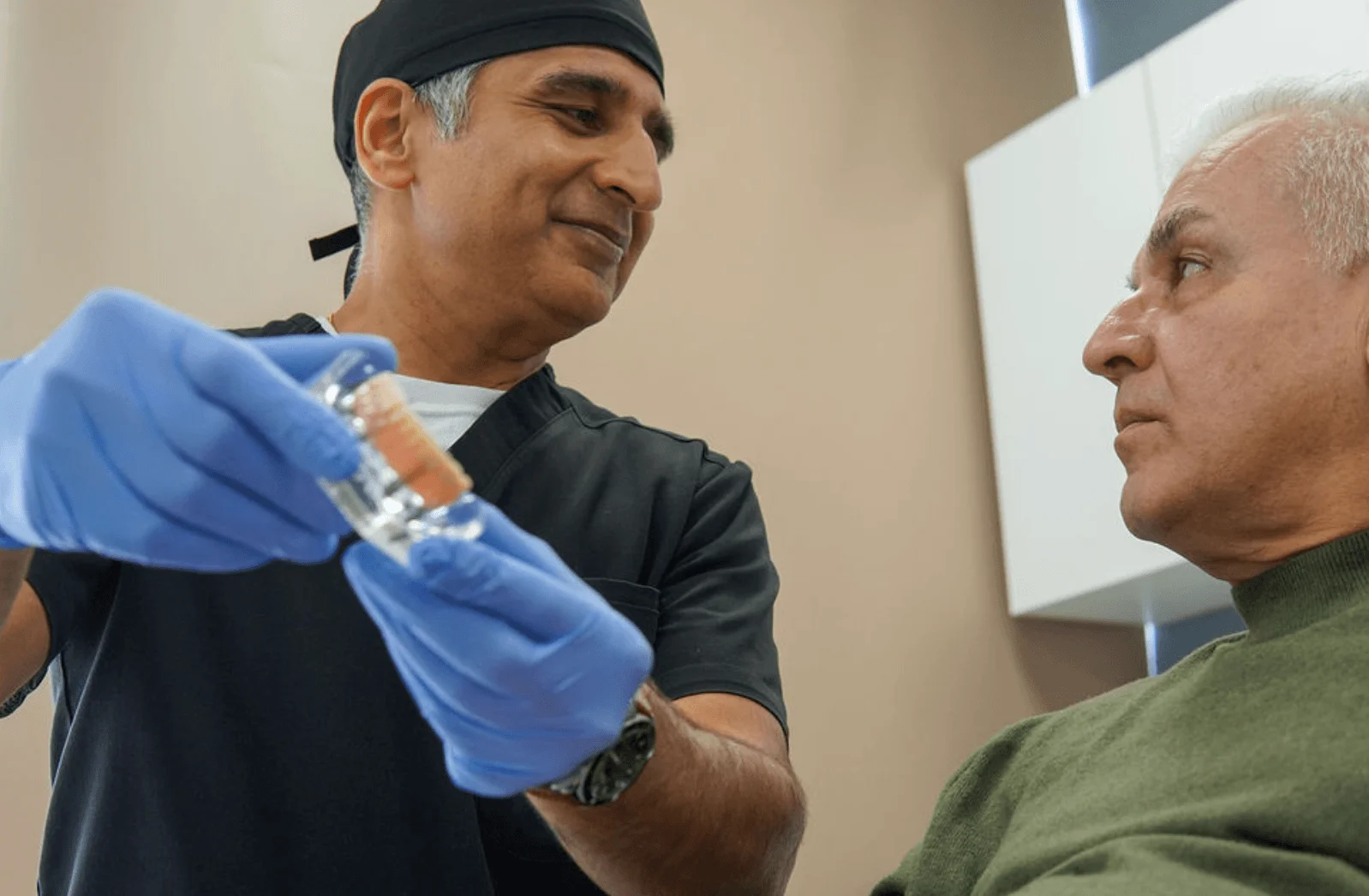
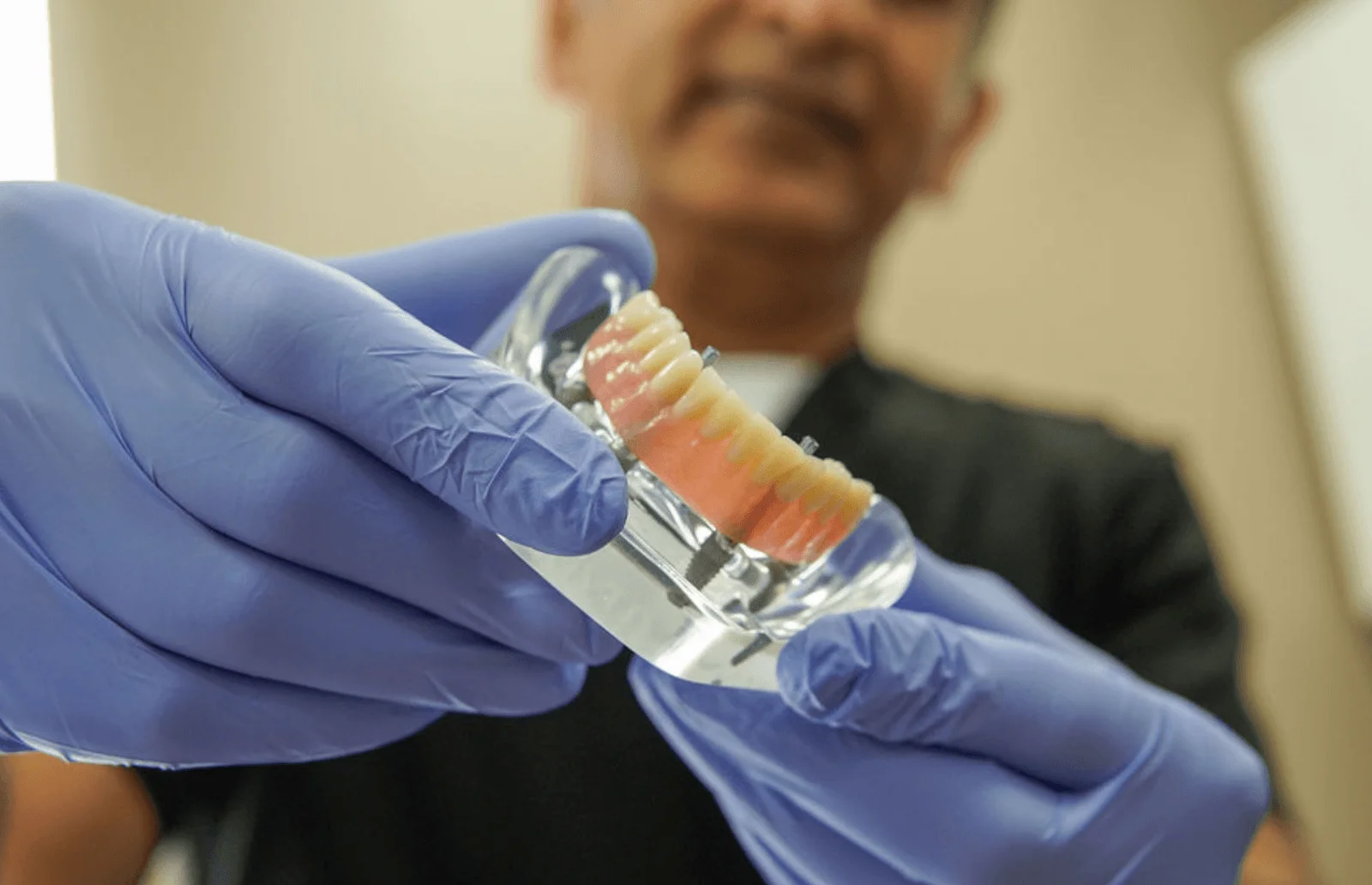
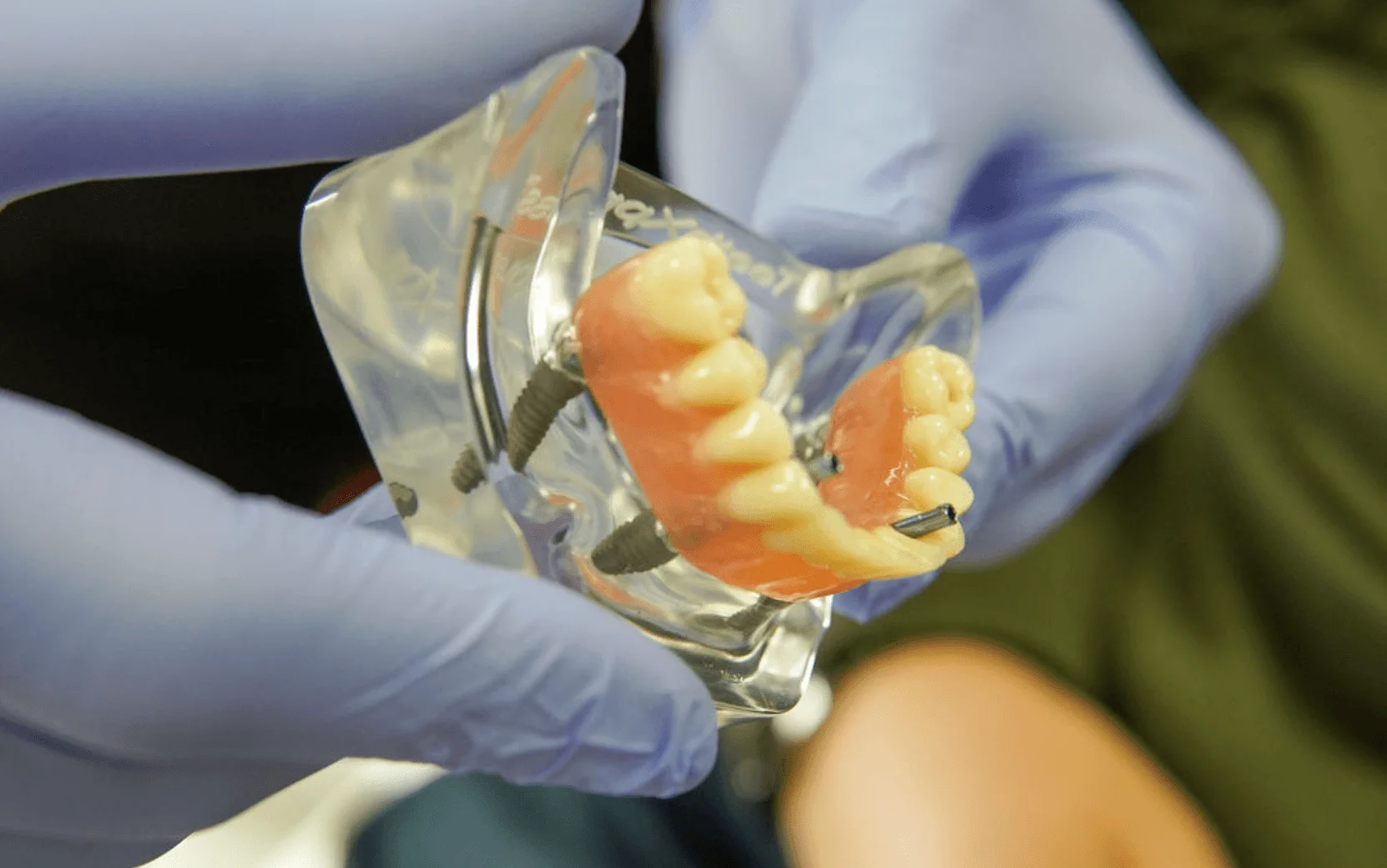
Complete dental implants refer to treatment options that replace all missing teeth in the upper arch, lower arch, or both. Rather than replacing each tooth individually, a series of implants are placed in the jawbone to support a full restoration.
These restorations may include:
- Full arch implant bridges
- Implant-supported dentures
- Fixed hybrid prosthetics
- Full mouth restorations
The result is a complete smile designed to improve appearance, comfort, and function.
How Many Implants Are Needed?
One of the most common misconceptions is that replacing an entire smile requires an implant for every tooth. In reality, a full arch can often be supported by four to six strategically placed implants.
Popular treatment concepts include:
- All-on-4 dental implants
- All-on-6 dental implants
- Full arch implant bridges
The exact number of implants depends on factors such as bone density, oral health, and treatment goals.
Why Dental Implants Are Different From Traditional Dentures
Traditional dentures rest on the gums and may shift while speaking or eating. Dental implants are surgically placed into the jawbone, creating a secure anchor for replacement teeth.
This stability offers several advantages:
- Improved chewing ability
- Better speech clarity
- Increased comfort
- Greater confidence
- Reduced movement during daily activities
Many patients report that implant-supported teeth feel significantly more natural than removable dentures.
Who Is a Candidate for Full Mouth Dental Implants?
Many adults with extensive tooth loss may qualify for complete dental implants. Candidates often include individuals who:
- Are missing all teeth in one or both arches
- Have failing teeth that require extraction
- Wear dentures and want a more stable solution
- Have healthy gums
- Maintain good overall health
Even patients who have experienced bone loss may still be candidates thanks to modern procedures such as bone grafting and advanced implant placement techniques.
A comprehensive consultation is the best way to determine eligibility.
The Benefits of Replacing All Teeth With Dental Implants
Patients choose full-mouth implant treatment for many reasons.
Natural Appearance
Modern implant restorations are carefully designed to resemble natural teeth. Shape, color, and proportions are customized to complement each patient's facial features.
Long-Term Durability
Dental implants are known for their strength and longevity. With proper care, implants can last for decades.
Improved Function
Many patients can comfortably enjoy foods that may be difficult with traditional dentures. This includes foods that require significant chewing power.
Bone Preservation
When teeth are lost, the jawbone begins to shrink over time. Dental implants stimulate bone like natural tooth roots, helping preserve bone volume and facial structure.
Increased Confidence
A secure smile can positively impact social interactions, professional opportunities, and overall self-esteem.
What Is the Treatment Process Like?
Every patient's journey is unique, but most complete dental implant treatments follow a similar process.
Initial Consultation
The process begins with a detailed evaluation. Digital imaging and scans help assess bone structure and oral health.
Treatment Planning
A customized plan is created based on the number of missing teeth, bone availability, and desired outcomes.
Implant Placement
The implants are surgically placed into the jawbone. Healing and integration occur over the following months as the implants fuse with the bone.
Temporary Restoration
Many patients receive temporary teeth during the healing period, allowing them to maintain function and appearance.
Final Restoration
Once healing is complete, the permanent restoration is attached to the implants, completing the smile transformation.
How Long Does Treatment Take?
Treatment timelines vary depending on individual circumstances.
Factors that may influence timing include:
- Number of implants needed
- Bone grafting requirements
- Healing response
- Complexity of the case
Some patients receive temporary teeth on the same day as implant placement, while full treatment may take several months to complete.
Your dentist can provide a more accurate timeline during your consultation.
Are Full Mouth Dental Implants Comfortable?
Most patients are surprised by how comfortable implant-supported restorations feel. Since implants become integrated with the jawbone, they provide stability that closely resembles natural teeth.
Unlike removable dentures, implant-supported restorations do not rely on adhesives or suction to remain in place.
Patients often report:
- Improved comfort
- Better stability
- Easier speaking
- Greater chewing efficiency
- Increased confidence
What Is Recovery Like?
Recovery experiences vary from person to person. Mild swelling, tenderness, and discomfort are common during the first few days following implant placement.
Most patients manage recovery successfully by following post-operative instructions and attending follow-up appointments.
A soft food diet is typically recommended during the early healing phase.
How Do You Care for Dental Implants?
One of the biggest advantages of complete dental implants is their straightforward maintenance.
Patients should:
- Floss or use recommended cleaning tools
- Attend routine dental visits
- Avoid tobacco products
- Follow professional cleaning recommendations
Good oral hygiene helps support long-term implant success.
Are Dental Implants Worth the Investment?
For many patients, the answer is yes. While dental implants may cost more upfront than traditional dentures, they often offer significant long-term value.
Benefits such as durability, comfort, improved function, and bone preservation contribute to their popularity.
Many patients view dental implants as an investment in both oral health and quality of life.
Considering Complete Dental Implants?
If you are missing most or all of your teeth, complete dental implants may provide the stable, long-lasting solution you have been searching for. Full mouth implant treatment can restore your ability to eat, speak, and smile with confidence while helping preserve your jawbone and overall oral health.
At 3020 Dental Implants, our experienced team is dedicated to helping patients achieve life-changing smile transformations through advanced implant dentistry. We create personalized treatment plans designed to meet your unique needs and goals.
Contact 3020 Dental Implants today to schedule a consultation and learn how complete dental implants can restore your smile and improve your quality of life.