When I talk with patients exploring dental implants in chicago, one of the most common concerns I hear is simple: Can they fail? It’s a fair question. Dental implants are a long-term investment in your smile, your confidence, and your overall oral health.
The good news is that dental implants have a very high success rate. Most last for many years, even decades, when properly placed and cared for. Still, like any medical procedure, there are risks. Understanding what can go wrong and how to prevent it puts you in control of your outcome.
Understanding Dental Implant Failure and How to Prevent It
What Does Dental Implant Failure Actually Mean?
Dental implant failure happens when the implant does not properly bond with the jawbone or becomes unstable over time. This process, called osseointegration, is what makes implants strong and secure.
Failure can occur early, shortly after placement, or later after months or years of use. Early failure is often linked to healing issues. Late failure usually connects to lifestyle habits or oral health problems that develop over time.
Signs of failure may include discomfort, swelling, gum recession, or a loose implant. In some cases, there are no obvious symptoms at first, which is why regular checkups matter.
Common Causes of Dental Implant Failure
Understanding the root causes helps you avoid them. Most failures don’t happen randomly—they are often preventable.
Poor Oral Hygiene
Daily care plays a major role in long-term success. When plaque builds up around the implant, it can lead to peri-implantitis. This is an infection that damages the surrounding bone and tissue.
Brushing, flossing, and professional cleanings are essential. Skipping these steps increases the risk of complications over time.
Smoking and Tobacco Use
Smoking restricts blood flow and slows healing. It also increases the risk of infection. Patients who smoke are significantly more likely to experience implant failure.
If you’re considering implants, reducing or quitting tobacco use can make a big difference in your results.
Insufficient Bone Density
Dental implants rely on a strong foundation. If the jawbone is too thin or weak, the implant may not integrate properly.
Bone loss can happen due to missing teeth, gum disease, or aging. In many cases, bone grafting can strengthen the area before implant placement.
Medical Conditions and Medications
Certain health conditions can affect healing. Diabetes, autoimmune disorders, and osteoporosis may impact how well your body accepts the implant.
Some medications also interfere with bone healing. That’s why a full medical history is important before starting treatment.
Poor Implant Placement
Skill and planning matter. If an implant is placed at the wrong angle or in an area with insufficient support, it may fail over time.
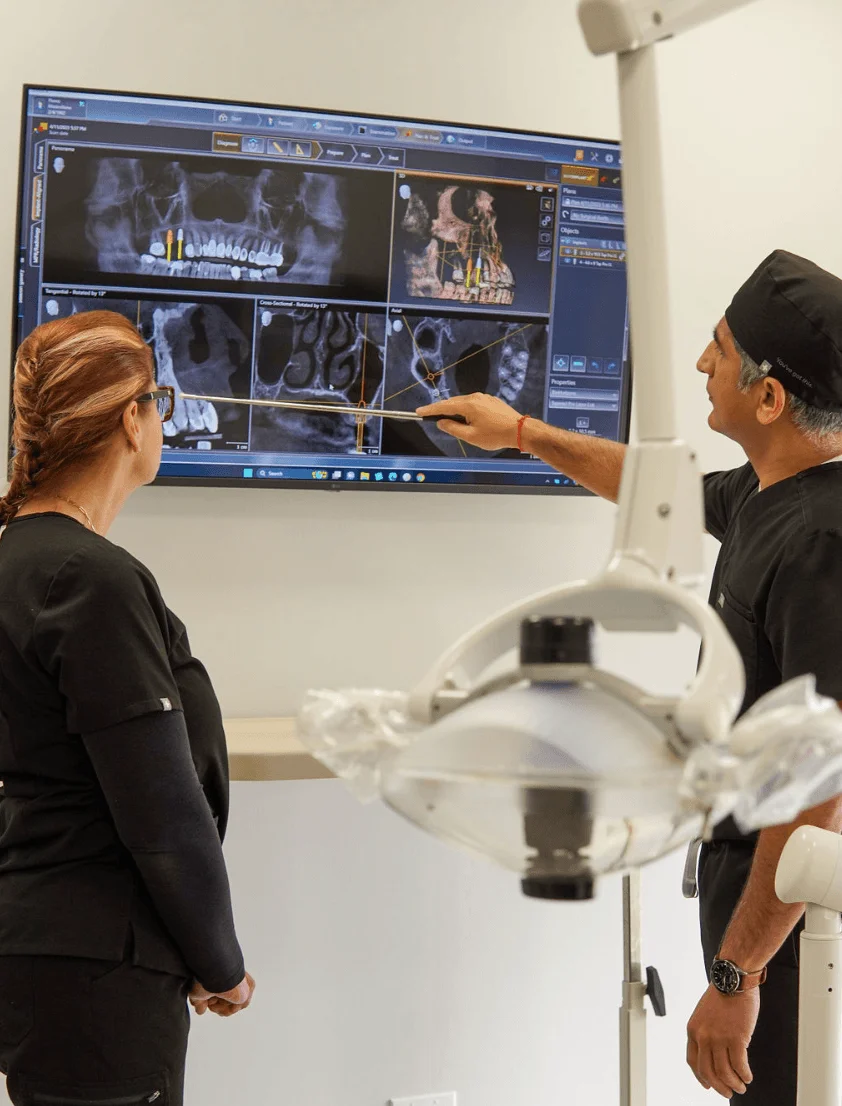
Working with an experienced dental team reduces this risk. Advanced imaging and precise planning tools help ensure proper placement.
Risk Factors You Should Be Aware Of
Some factors increase the likelihood of complications, even if everything is done correctly. Being aware of them helps you take extra precautions.
Teeth Grinding (Bruxism)
Grinding puts excessive pressure on implants. Over time, this can weaken the surrounding structure.
A custom night guard can protect your implant while you sleep.
Gum Disease History
If you’ve had periodontal disease, you may be more prone to infections around implants. Maintaining healthy gums becomes even more important.
Delayed Treatment After Tooth Loss
Waiting too long after losing a tooth can lead to bone loss. The longer the gap, the more complex the treatment may become.
Early evaluation allows for simpler solutions and better outcomes.
How I Help Prevent Dental Implant Failure
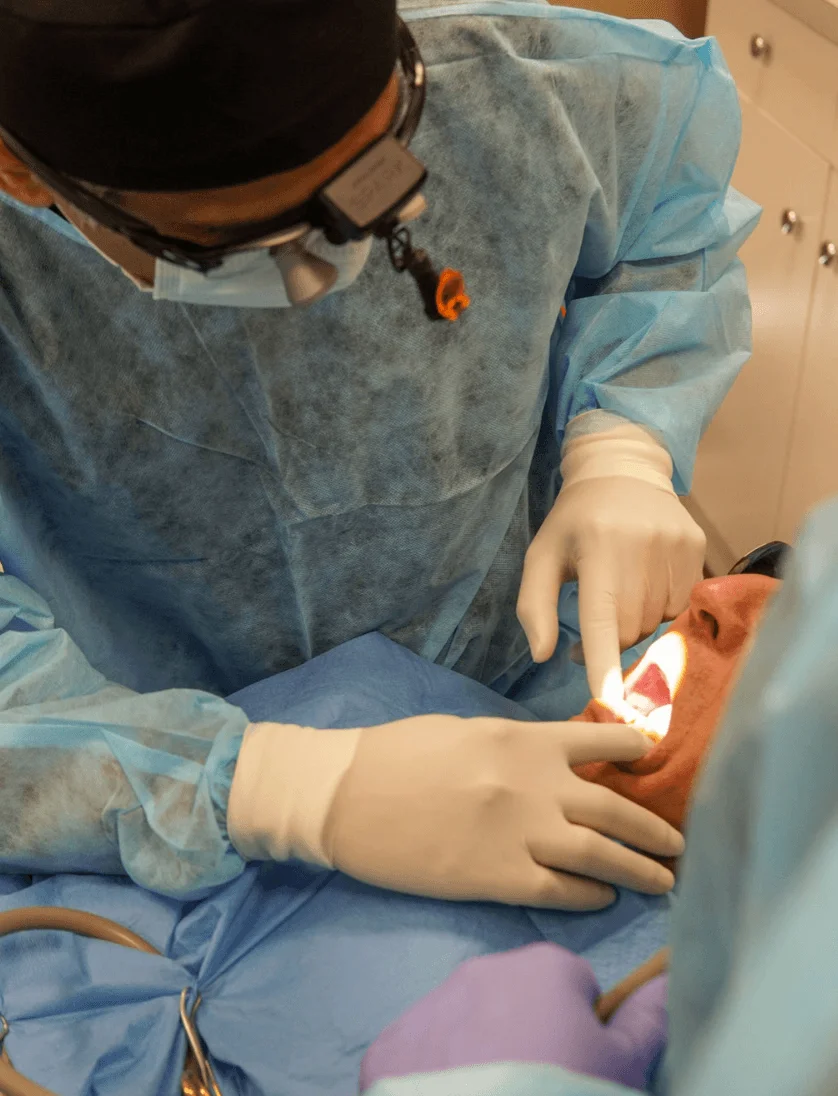
Prevention starts before the procedure and continues long after placement. A thoughtful approach makes all the difference.
Careful Planning and Evaluation
I always begin with a full assessment. This includes imaging, bone evaluation, and a review of your medical history.
Every case is different. A personalized plan ensures the implant is placed in the best possible position.
Strong Focus on Healing
Healing is just as important as the procedure itself. Following post-operative instructions helps your body integrate the implant successfully.
This includes diet adjustments, avoiding certain habits, and attending follow-up visits.
Ongoing Maintenance
Dental implants need care just like natural teeth. Regular cleanings and exams allow me to catch small issues early.
Professional monitoring helps protect your investment and extend the life of your implant.
Patient Education
I make sure you understand how to care for your implant at home. Simple habits make a big impact.
Daily brushing, flossing, and avoiding harmful habits keep your implant stable and healthy.
What Happens If an Implant Fails?
If an implant does fail, it doesn’t mean the situation can’t be corrected. In many cases, the implant can be removed, the area treated, and a new one placed later.
The key is early detection. Addressing issues quickly prevents further damage and improves the chances of success with a replacement.
In some cases, additional procedures like bone grafting may be needed before trying again. While this adds time, it strengthens the foundation for a better outcome.
Simple Tips to Protect Your Dental Implants
Protecting your implant doesn’t require complicated steps. Small, consistent habits go a long way.
- Brush twice daily with a soft-bristled toothbrush
- Floss carefully around the implant
- Visit your dentist regularly for cleanings
- Avoid smoking or tobacco products
- Wear a night guard if you grind your teeth
- Follow all post-procedure instructions closely
Consistency is what keeps implants strong and functional for years.
Protecting Your Smile with Dental Implants in Chicago
Choosing dental implants in chicago is a step toward restoring your smile and confidence. While failure is possible, it’s not common—and it’s often preventable with the right care and planning.
We believe in giving you the knowledge and support you need to feel confident in your decision. With proper care, regular visits, and a healthy routine, dental implants can be one of the most reliable solutions available.
If you’re considering implants or want to protect your current smile, reach out to 3020 Dental Implants today. We’re here to help you achieve lasting, confident results with personalized care.
FAQs
How common is dental implant failure?
Dental implant failure is relatively rare. Success rates are typically around 95% or higher. Most failures are linked to preventable factors like poor oral hygiene or smoking. With proper care and regular dental visits, the chances of long-term success are very high.
Can a failed dental implant be replaced?
Yes, in many cases a failed implant can be replaced. The area may need time to heal first, and sometimes additional procedures like bone grafting are required. Once the site is stable, a new implant can often be placed successfully.
How long do dental implants last?
Dental implants can last many years, often decades, with proper care. Daily oral hygiene, routine checkups, and healthy lifestyle habits all contribute to their longevity. The crown attached to the implant may need replacement over time, but the implant itself can remain stable.
What are the early signs of implant failure?
Early signs may include pain, swelling, gum redness, or a loose feeling around the implant. Some patients notice difficulty chewing or sensitivity. If you experience any of these symptoms, it’s important to schedule an evaluation as soon as possible.